
Step 1: Verify the Land and Property Title
Before purchasing or building, confirm that the land is legally registered and has a clear, valid, and up-to-date property title.
Verify that the property allows construction under current zoning laws, land use regulations, and permitted density in the Las Terrenas / Samaná region.
Ensure the deslinde (official boundary survey) or subdivision has been properly completed, with clearly defined boundaries, to prevent future legal disputes.
Step 2: Prepare Architectural Plans and Technical Documentation
Hire a Dominican architect or engineer registered with CODIA (Dominican College of Engineers, Architects, and Surveyors) to prepare and sign all technical documentation.
Required documents typically include:
- Architectural and structural plans
- Structural calculation reports
- Electrical and plumbing layouts
- Technical descriptions and project memoranda
- Site location plans and topographic survey
If the land is coastal, protected, or environmentally sensitive, an Environmental Impact Study or special environmental permit may be required.
Step 3: Apply for Construction Permits and Licenses
Begin at the local municipality by requesting a Land Use Certificate or Certificate of No Objection for Land Use.
Next, submit the construction permit application to the municipal planning department or relevant authority. This usually includes:
- Property title
- Approved plans
- Municipal fees
- Site inspection
The Dominican Republic also operates a digital Single Window for Building Construction Permits, overseen by the Ministry of Public Works and Communications (MOPC).
Municipal fees vary by location and may include zoning approval, inspections, and permit issuance.
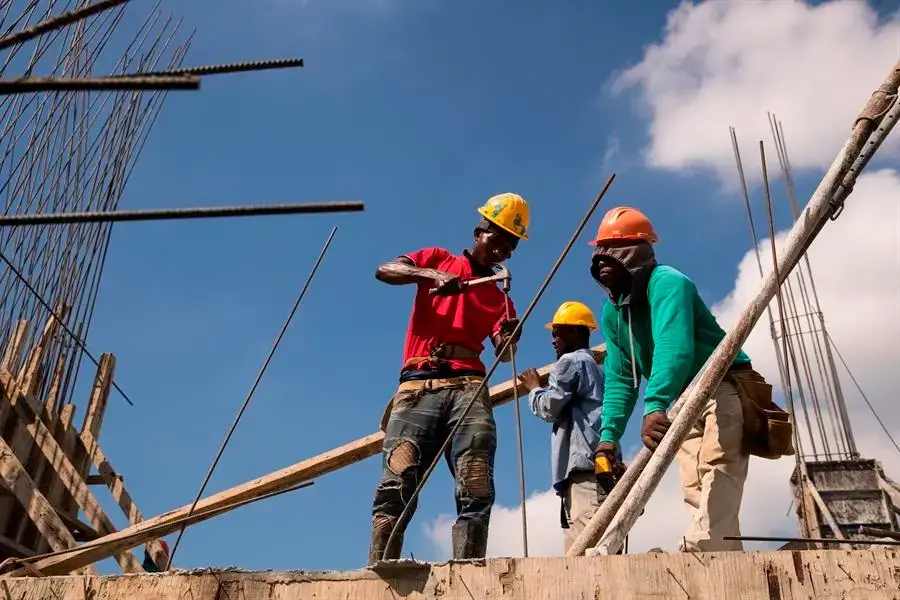
Step 4: Construction and Project Supervision
Once permits are approved, construction may begin. A clear construction contract should define:
- Timeline and milestones
- Payment schedule
- Responsibilities and warranties
- Quality standards
During construction, municipal or planning authorities may conduct inspections to ensure the project complies with approved plans.
Step 5: Project Completion and Occupancy Certification
After construction is completed, request the Certificate of Completion or Occupancy Permit (terminology varies by municipality).
Ensure the finished property is properly registered if required, and confirm that utilities, installations, and operating permits are in place—especially for rental, commercial, or tourism-related use.
Requirements for Building Property in the Dominican Republic
Most construction projects require the following:
- Property title or land registry certificate
- Cadastral plan and topographic survey
- Architectural plans and structural calculations
- CODIA-certified professional signatures
- Land use and zoning certificate
- Payment of municipal fees
- Site inspection approval
- Environmental permit (if applicable)
- Contract with a legally responsible contractor
- Final certificate of completion
Key Risks and Considerations When Building in Las Terrenas
Construction permit approvals can take time, especially in high-demand tourist areas like Las Terrenas.
Starting construction without a final permit may result in fines, work stoppages, or demolition orders.
Always confirm that the land supports the intended construction density, particularly for multi-unit or tourism developments.
Work with local professionals familiar with municipal processes in Samaná and Las Terrenas, as requirements can vary.
Plan for additional costs, delays, and regulatory changes, which are common in Caribbean construction projects.
Building in Las Terrenas: Local Considerations
As a coastal tourism destination, Las Terrenas may be subject to additional environmental and tourism regulations.
Average construction costs in Las Terrenas typically range between US $1,200 and US $1,400 per square meter, depending on design and finish quality.
Before purchasing land, evaluate location, access, utilities, environmental impact, and views, as these factors affect approvals, design, and long-term value.
Professional Support for Building in Las Terrenas
PlayaMax Real Estate assists clients not only in finding land, but also in navigating the full construction process.
We work with CODIA-certified architects, engineers, contractors, and permit specialists to ensure compliance with Dominican regulations at every stage.
Our team can help you:
- Hire licensed and experienced local professionals
- Ensure plans and structural calculations meet legal standards
- Coordinate municipal, environmental, and construction permits
- Supervise construction for quality, safety, and budget control
With PlayaMax, building in Las Terrenas is secure, transparent, and professionally managed.

Join The Discussion